




What Great Leaders Ask Before Strategizing


In many organizations, leaders believe they are aligned. They have met. They know their priorities, swim lanes, and deadlines. But, a few months into execution, timelines begin to slip. Priorities start to blur and cross-functional tension begins to surface, despite what felt like clear agreement early on.
In review meetings, a familiar question surfaces:
“Didn’t we already align on this?”
CHROs and L&D leaders recognize this pattern all too well.
Agreement does not guarantee clarity.
Often, the problem isn’t the strategy itself. It’s misalignment that wasn’t surfaced early enough. It’s in the conversations that move forward strategy before expectations, constraints, and risks are fully understood.
The Illusion of “Yes”
As Ariel SVP of Solution Strategy, Elsa Powel Strong, shared in a recent session:
“One of the biggest derailers to alignment is when people say yes. They’re agreeable and ready to move forward, but no one truly knows what the plan looks like once execution begins.”
That early “yes” creates the appearance of progress. Once execution begins, gaps in understanding, unclear priorities, and weaknesses in decision-making start to surface.
Left unaddressed, these gaps compound, often scaling into broader execution failure.
A 2026 Forbes report found that more than 60% of strategies fail during execution because leaders were never truly aligned on priorities, accountability, or decision-making.
What looked like buy-in was a set of individual interpretations. Alignment wasn’t articulated, it was assumed. And that assumption is costly.
Great Questions, Great Leaders
One question helps surface misalignment early:
“What does success look like for you, and what constraints do you expect to encounter?”
As Elsa explains, this question pushes leaders to think beyond intent and into execution. It brings priorities, trade-offs, risks, and assumptions into the open early, when they can be addressed before they become barriers to productivity.
For CHROs and L&D leaders, alignment is more than leadership skill, it’s an execution safeguard.
When you develop leaders to align with their teams to organizational goals, you’re protecting enterprise performance. Elsa argues that organizations don’t need better strategies. They need leaders aligned on what success looks like, and how to deliver it together.
How Ariel Builds Leaders Who Align and Deliver
At Ariel, we focus on helping leaders create clarity through transformation and complexity.
Our work is designed for the moments where alignment is fragile: cross-functional decisions, high-stakes conversations, and periods of change where assumptions can quietly derail execution.
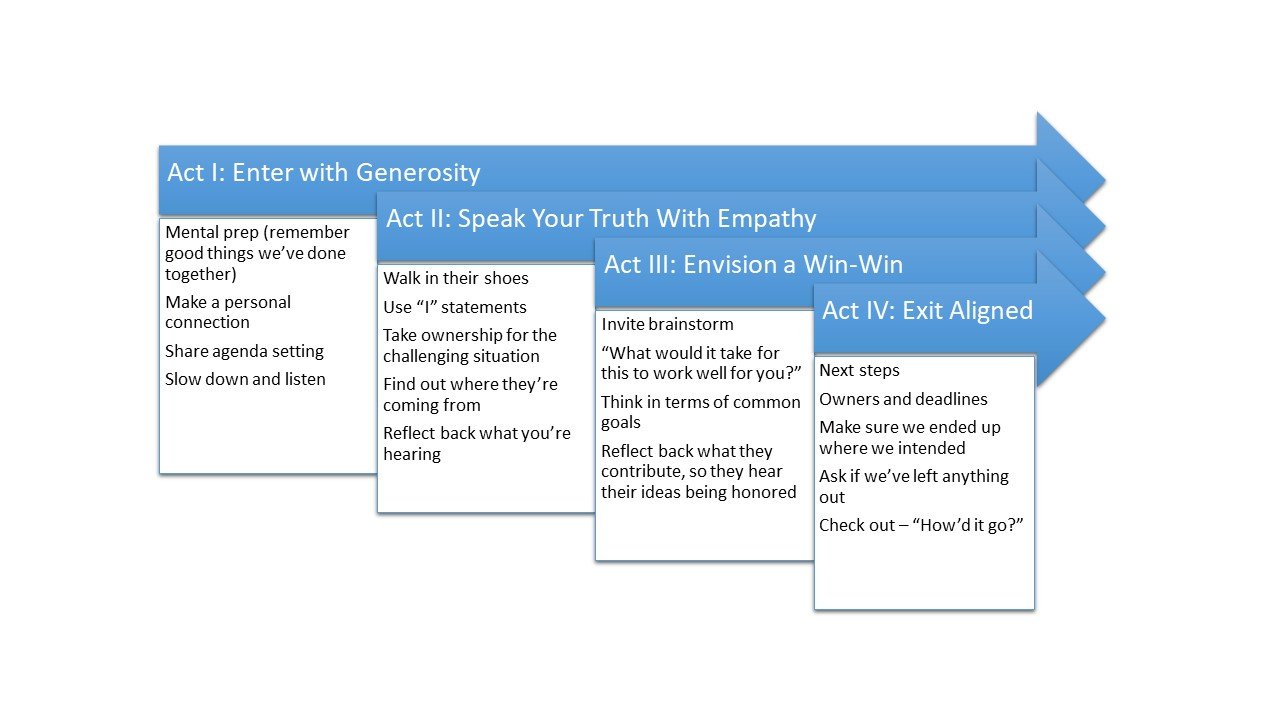
We equip leaders to slow the conversation to surface what’s unspoken, test understanding, and build shared ownership before plans move forward.
Through immersive, experiential learning, leaders practice asking sharper questions, listening for what’s missing, and navigating disagreement without losing momentum. They learn how to translate strategy into action by creating alignment in real time, not after confusion has already taken hold.
The result is leadership that doesn’t rely on agreement alone, but on clarity, trust, and shared accountability, so execution begins strong and stays on track.
Watch the full video here.

Subscribe to newsletter
"*" indicates required fields






















































![5 Must-Have Virtual Leadership Skills [with Tips & Examples for Success]](https://www.arielgroup.com/wp-content/uploads/2026/03/Ariel_WebsiteImages_Blog-3.jpg)