

Should You Have A Coach?
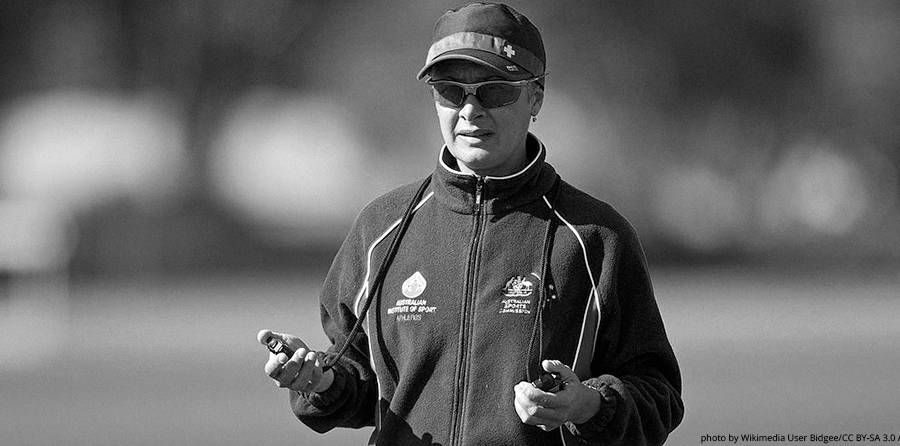
Ask yourself: When is the last time you had someone give you real-time feedback on how you are doing and how you might improve? If it was more than a year or so, you might want to consider getting a coach.
Top Olympic athletes like Michael Phelps have a coach. Winning sports teams like the New York Yankees employ several coaches. World class Opera Singers even hire a vocal coaches.
And now we come to find out that a top surgeon has one too.
Atul Gawande, writes about his experience of deciding to get a coach in the October 3, 2011 issue of the New Yorker. The essay is titled: Personal Best: Top athletes and singers have coaches. Should you?
He writes:
I’ve been a surgeon for eight years. For the past couple of them, my performance in the operating room has reached a plateau. I’d like to think it’s a good thing – I’ve arrived at my professional peak. But mainly it seems as if I’ve just stopped getting better.
He decides to try a coach. He asks a former teacher and colleague to come and observe him as he operates. He says:
It had been strange and more than a little awkward having to explain to the surgical team why someone was spending the morning with us. “He’s here to coach me” I’d said. Yet the stranger thing, it occurred to me, was that no senior colleague had come to observe me in the eight years since I’d established my surgical practice.
As a Leader your people look to you to set the bar. If you demand a high quality of work from your team, you must demonstrate your ability to improve too. Atul Gawande wanted to improve. He’d gotten as good as he could get on his own. He reached a point where an outside set of eyes and ears could provide insights he couldn’t get alone.
Ask yourself: When is the last time you had someone give you real-time feedback on how you are doing and how you might improve? If it was more than a year or so, you might want to consider getting a coach.
Here’s how to start:
- Invite someone you trust, or a professional coach, to be your ‘outside set of eyes and ears.’
- With your coach, create a comprehensive list of skills that successful people in your field excel at. The list might include skills like: being mentally present and focused at meetings, asking high impact questions to understand another’s point of view or not interrupting others when they speak.
- Have your coach observe you as you work. This could include inviting them to watch you give a presentation or facilitate a meeting or conduct a sales call.
- Have a conversation with your coach about what they saw you do well from the list of skills list you created, and where they think you could improve
- Commit to implementing some new ideas or techniques based on your coaching conversation.
- Repeat.
After just one coaching session Dr. Atul Gawande reports that he had more to consider and work on than he had in the past 5 years. Imagine what could happen for you and your organization with a sustained commitment to ongoing coaching?
Do you have a peer or executive coach? Has it been helpful?